Bacterial vaginosis (BV) is a common vaginal infection that affects millions of women worldwide. It’s estimated that about 21 million women in the U.S. experience bacterial vaginosis at some point, but that number could be higher because bacterial vaginosis infections often go misdiagnosed.
What is Bacterial Vaginosis (BV)?
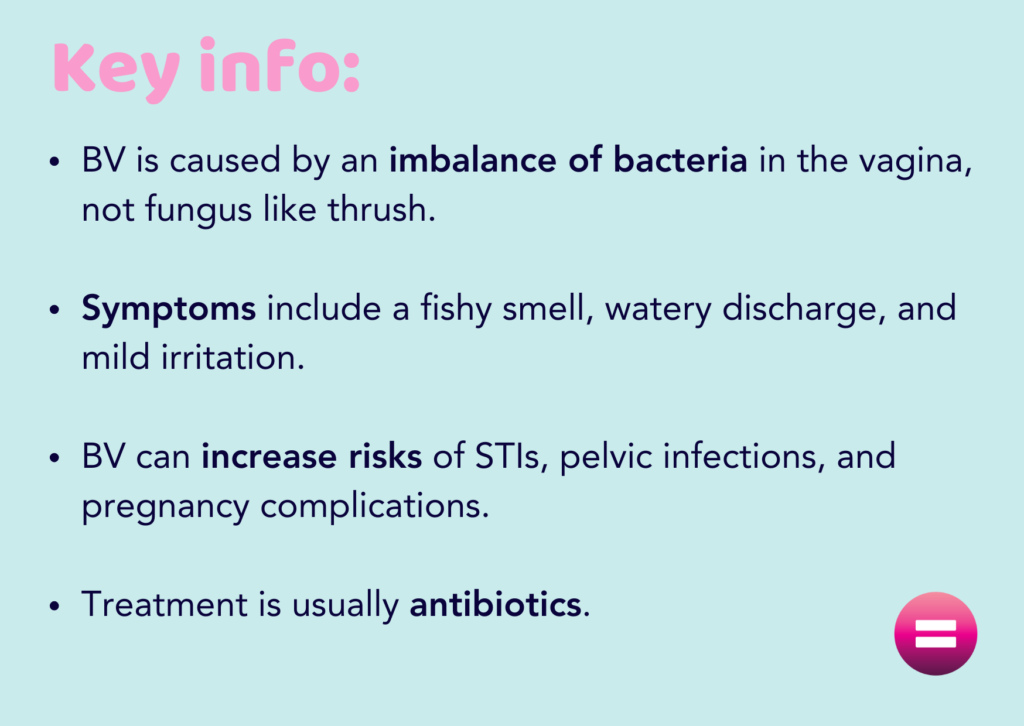
Bacterial vaginosis is a common vaginal condition affecting women, particularly between ages 14–49, involving an imbalance of vaginal flora. It often causes symptoms like a fishy odor, grayish-white discharge, and sometimes mild irritation.
Many people with BV may not have symptoms at all . It can be uncomfortable and, during pregnancy, linked to complications like preterm birth .
Why At-Home Testing Matters
Visiting a clinic is always an option, but several at-home BV testing methods can help you take control:
- Privacy & comfort – collect a sample in your own space
- Symptom tracking – test when you first notice changes
- Lower costs – most tests are under $25
- Empowerment – knowing what’s up allows informed care decisions
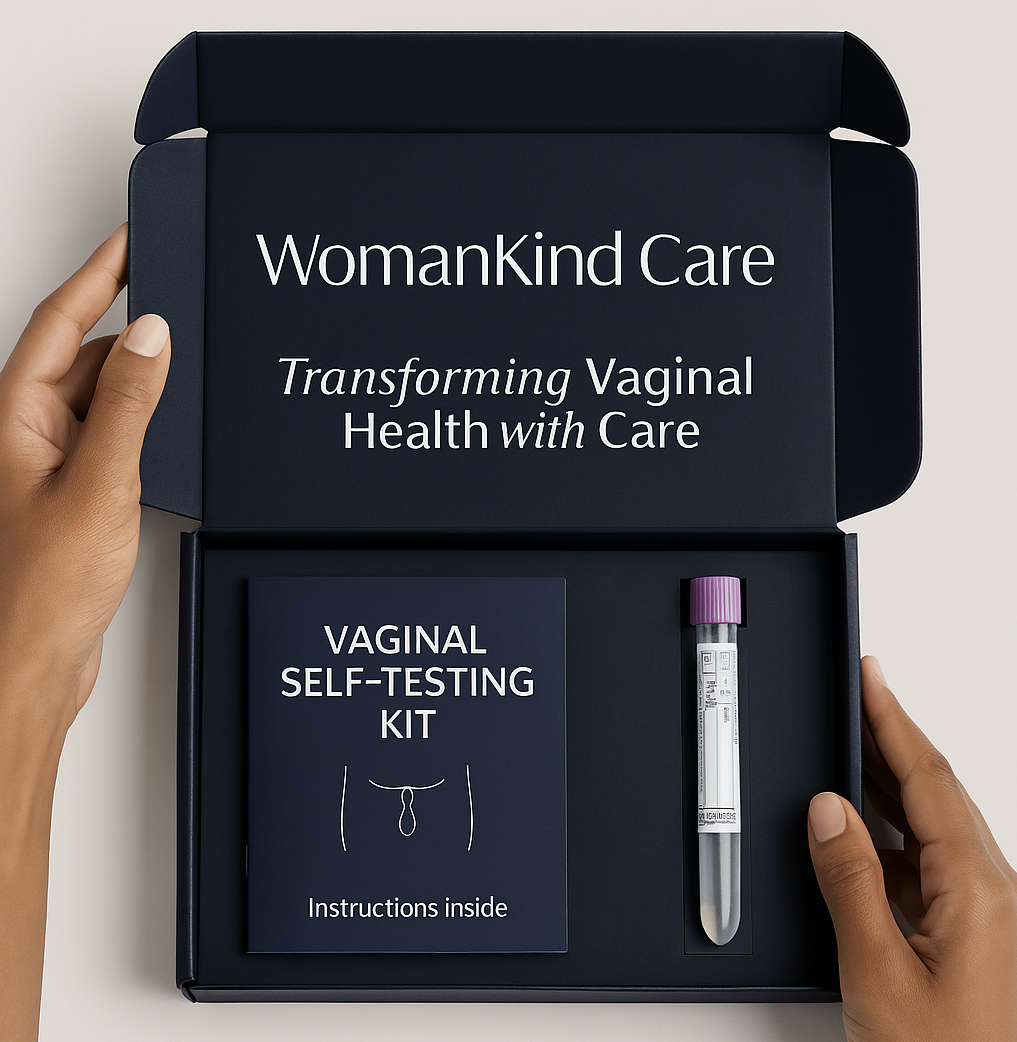
Visit our website WKC Vaginal Microbiota Panel to learn more and get a test kit to gain clinically relevant information on bacteria species missed by other tests
At-Home BV Testing Techniques
1. pH Test Strips (Quick & Affordable)
How it works: Healthy vaginal pH is between 3.8–4.5. A higher pH (>4.5) may suggest BV or other infections.
Tools needed:
- Vaginal pH test strip (OTC, often called “vaginal health kits”)
- Swab or applicator
- Color-chart guide
Steps:
- Wash hands carefully
- Gently swab inside the vaginal wall
- Apply sample to test strip
- Wait and compare color to guide
Interpret: - pH ≤ 4.5: likely normal - pH > 4.5: possible BV (pH test has ~77–90% sensitivity, ~70% specificity)
Notes:
- Easy, quick, inexpensive
- Not definitive but helpful early indicator
- Can generate false positives (e.g., mid-cycle, menopause, douching)
2. Enzyme/Sialidase ("Whiff") Tests
How it works: Detects enzymes (e.g., sialidase) linked to BV-causing bacteria. Some tests also include a "whiff" reaction when exposed to KOH.
Steps:
- Insert swab, collect sample
- Apply KOH solution
- Notice “fishy” odor → positive whiff
Performance:
- Sialidase tests: 88–92% sensitivity, 95–98% specificity
- pH + whiff: ~64% sensitivity and ~95% specificity
When to See a Healthcare Provider
Even with home tests, consult a professional if you experience:
- Strong fishy odor + high pH
- Painful urination or sex
- Unusual bleeding or heavy discharge
- Recurrent BV (common)
- Pregnancy, to avoid complications
Treatment & Prevention
Prescription antibiotics: oral or vaginal metronidazole, clindamycin, sometimes tinidazole or secnidazole
Probiotics (e.g., Lactobacillus acidophilus) support vaginal flora, especially with antibiotics
Preventive habits: avoid douching, use condoms, opt for breathable cotton underwear
Method | Speed | Accuracy | Cost range | Best use-case |
pH strip | 10–60 sec | Medium (~80% sens) | <$10–25 | Quick check when symptoms appear |
Whiff/sialidase test | Minutes | High (90% sens/spec) | $20–40 | Better pinpoint for BV vs. thrush |
Lab kits (PCR/Culture) | Days | Very high (95%+ spec) | $30–200 | Medical-grade accuracy + telehealth options |
Wet mount microscopy | Immediate | Varied (user-dependent) | $150+ | For microscopy enthusiasts |
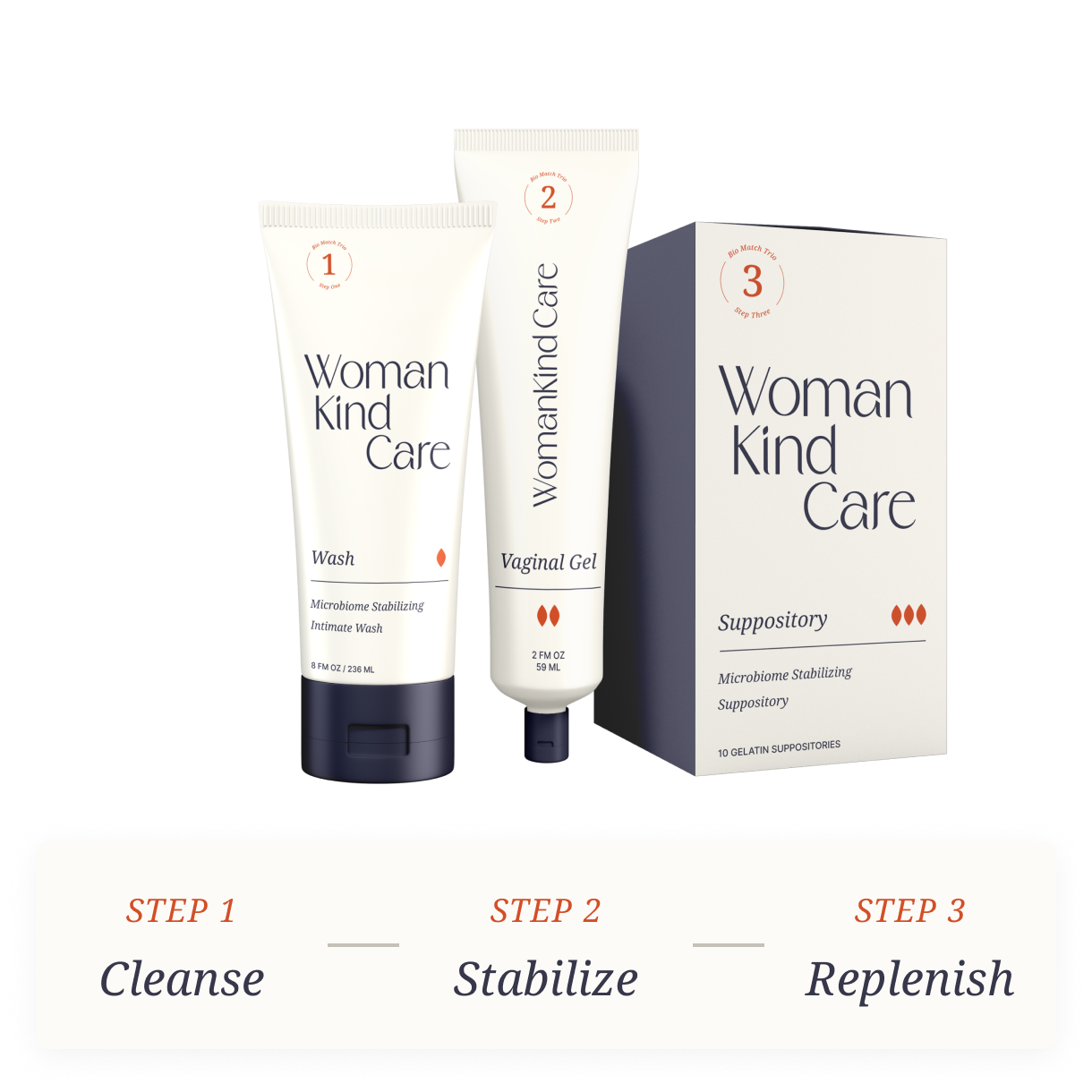
Also feel free to get acquainted with our KindBiome™ Core3, which is formulated to reduce itch, irritation, unusual odor, and abnormal discharge for microbiome stability
- https://www.womenshealth.gov/menopause/early-or-premature-menopause
- https://www.menopause.org/for-women/menopauseflashes/menopause-symptoms-and-treatments/menopause-101-a-primer-for-the-perimenopausal
- https://www.mountsinai.org/health-library/report/menopause
- https://www.healthline.com/health/menopause/tests-diagnosis
- https://www.menopause.org/for-women/menopauseflashes/menopause-symptoms-and-treatments/menopause-101-a-primer-for-the-perimenopausal
- https://www.npr.org/sections/health-shots/2020/01/18/797354824/menopause-starts-younger-than-you-think-heres-what-you-need-to-know
- https://www.nhsinform.scot/healthy-living/womens-health/later-years-around-50-years-and-over/menopause-and-post-menopause-health/after-the-menopause#:~:text=There%20can%20be%20an%20increased,(smear%20test)%20and%20breast.
- Herber-Gast GC, Mishra GD. Fruit, Mediterranean-style, and high-fat and -sugar diets are associated with the risk of night sweats and hot flushes in midlife: results from a prospective cohort study. Am J Clin Nutr. 2013;97(5):1092-1099.
- https://www.eatingwell.com/article/2061785/anti-inflammatory-mediterranean-diet-plan/